
Pension Injustice and Presidential Silence - A Cruel Betrayal of Those Who Served
By Okechukwu Nwanguma, RULAAC
•
March 25, 2026, 11:18 a.m.
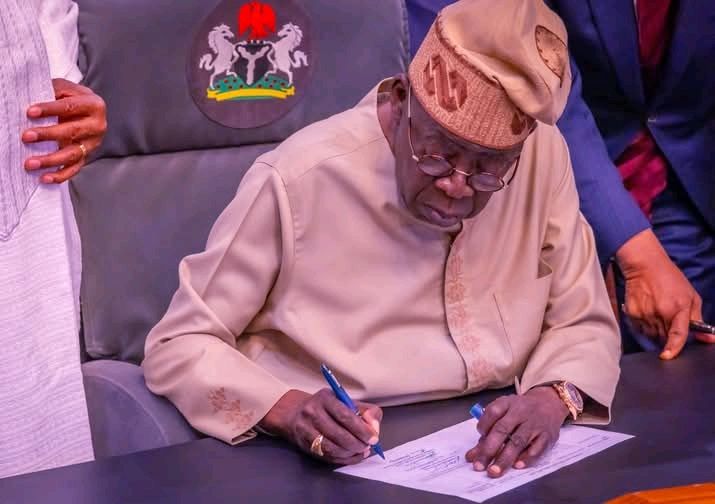
There is something profoundly troubling - indeed indefensible - about the continued delay by President Bola Ahmed Tinubu in granting assent to the Police Exit Bill.
At a time when retired police officers - men and women who dedicated the most productive years of their lives to the service of this country - are crying out against an unjust pension regime, the silence from the highest office in the land is not just bureaucratic delay. It is sheer insensitivity. It is cruel.
Let us be clear about what is at stake. The agitation by retired officers under the Police Retired Officers Forum (PROF) is not a whimsical demand. It is a sustained, organised, and deeply justified struggle against their continued inclusion in the Contributory Pension Scheme (CPS) - a system many of them have described, with painful consistency, as exploitative and inhumane.
Since September 2025, these retirees have embarked on peaceful protests, enduring hardship, indignity, and official neglect, all in a bid to secure a modest measure of justice in their post-service lives. These are not agitators seeking privilege; they are patriots demanding dignity.
Yet, despite the National Assembly transmitting the Police Exit Bill - intended to remove police personnel from the CPS - to the President, assent has not been forthcoming.
Why?
What justifies this delay?
Is it indifference? Is it political calculation? Or is it yet another example of how those who enforce the law are abandoned once they are no longer useful to the state?
The irony is painful.
Nigeria relies heavily on its police force - arguably one of the most overstretched and under-resourced institutions in the country. Officers work under hazardous conditions, poorly equipped, inadequately insured, and often without the basic welfare structures that should accompany such a critical role.
And when they retire, instead of relief, they are met with a pension system that many say fails to meet even their most basic needs.
This is not just a policy failure; it is a moral failure.
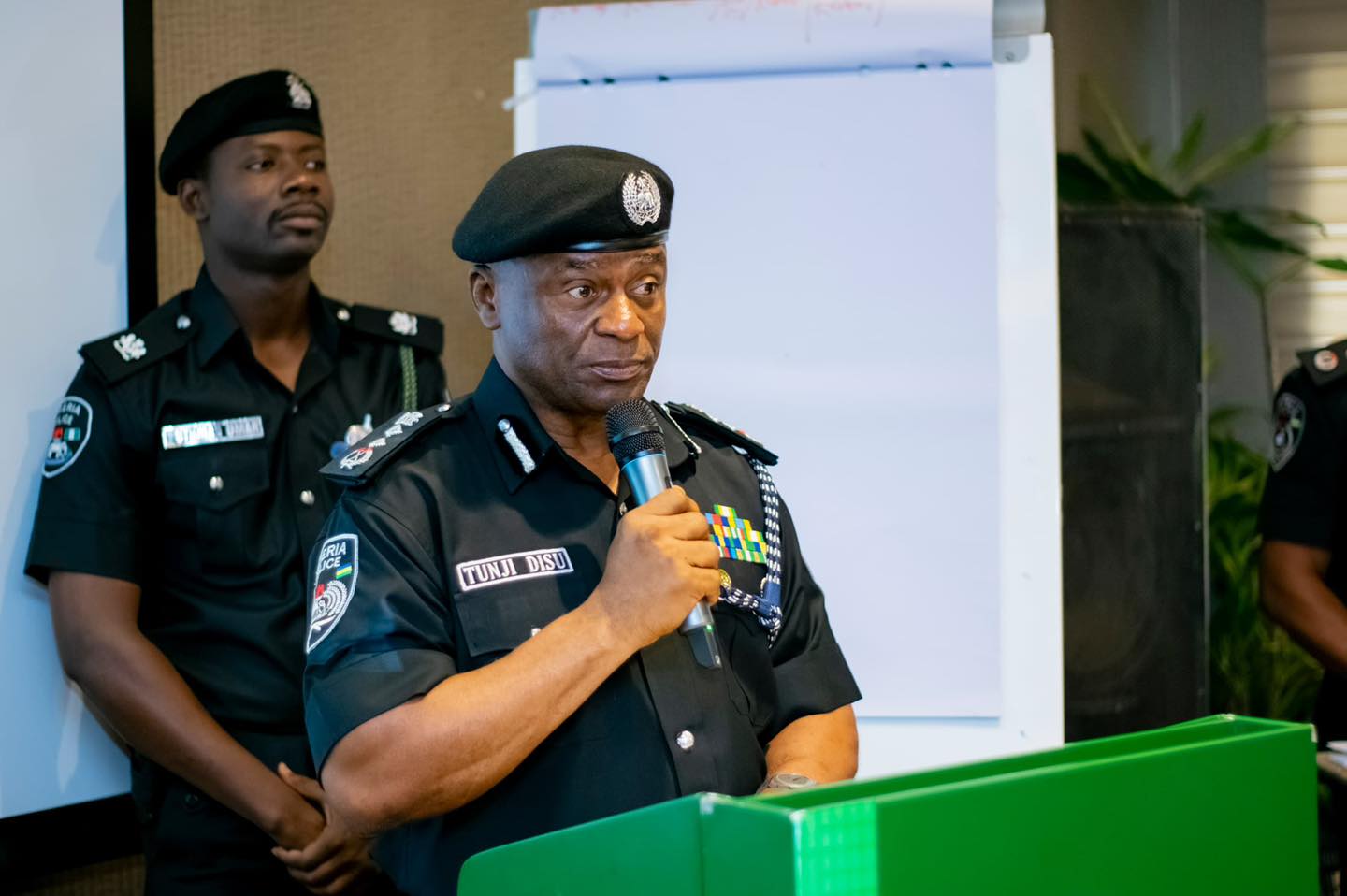
The recent engagement between the leadership of PROF and the Inspector-General of Police, Olatunji Disu, offers a glimmer of institutional responsiveness. The IGP reportedly acknowledged the legitimacy of the agitation and promised to intervene, urging retirees to allow him time to engage the President.
That is commendable.
But let us not mistake dialogue for resolution.
The core issue remains:
- the President’s assent is the decisive action required. Without it, the suffering continues.
- Without it, the protests will intensify.
- Without it, the message to serving officers is chilling - your sacrifice will not be honoured when you are done.
This is dangerous.
A demoralised police force is a national security risk. Welfare is not a favour; it is a fundamental component of effective policing. Officers who see their retired colleagues languishing in poverty and neglect cannot be expected to serve with optimal commitment or integrity.
We have seen how poor welfare conditions contribute to corruption, extortion, and declining professionalism within the force. Addressing post-service welfare is not just about retirees - it is about restoring confidence and integrity within the entire policing system.
The President must understand this.
What makes the delay even more troubling is the growing perception that the Nigerian state can act with speed and decisiveness when political interests are at stake, yet becomes lethargic when the issue concerns justice for ordinary citizens - even those who once wore the uniform.
This contrast is stark. It is disturbing. And it is unsustainable.
The retirees have now issued a two-week ultimatum, after which they plan to embark on a nationwide indefinite protest, including at the Presidential Villa in Abuja. This should not be dismissed as mere pressure tactics. It is a reflection of deep frustration - of people who feel they have exhausted all formal channels.
If the situation escalates, the responsibility will lie squarely at the doorstep of the Presidency.
This is a moment that calls for leadership - not delay.
President Tinubu must rise above whatever considerations are holding back assent to this Bill. He must act decisively, compassionately, and justly.
Because at its core, this is not just about pensions.
It is about how a nation treats those who served it.
It is about whether Nigeria rewards sacrifice with dignity - or abandons it to suffering.
And right now, the answer is not looking good.
Okechukwu Nwanguma, Executive Director, Rule of Law Accountability and Advocacy Centre, RULAAC, writes from Lagos.