

Nigeria's Health Challenges: SANWO-OLU Challenges Medical Experts on Practical, Evidence-Based Solutionsthcare
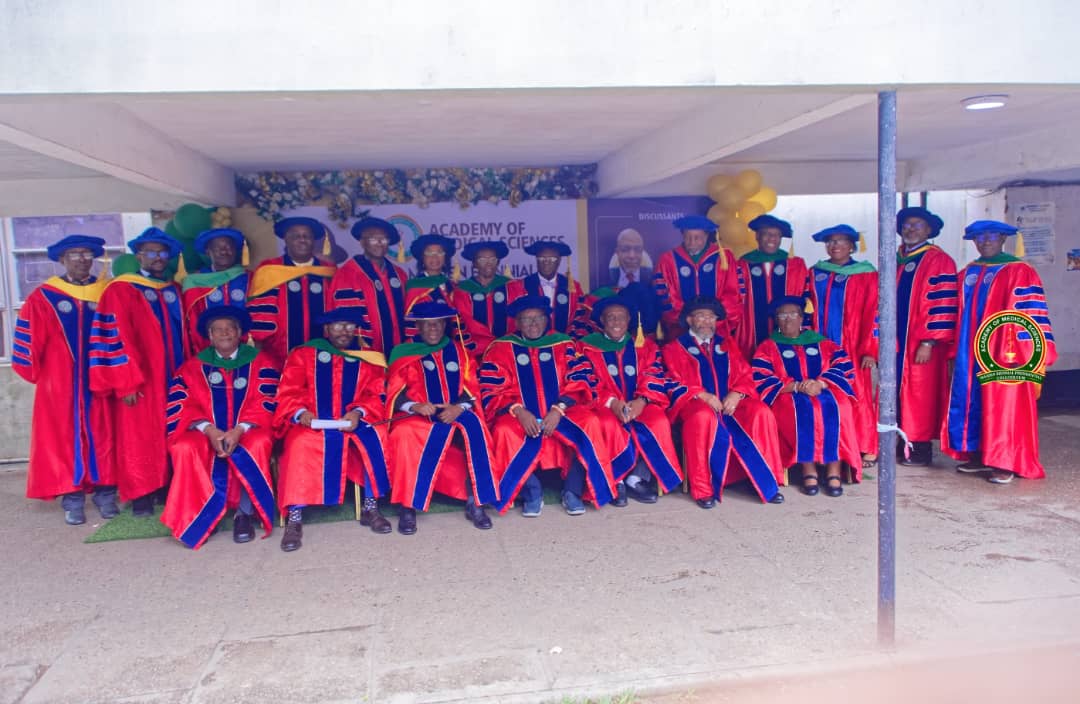
Lagos State Governor, BABAJIDE SANWO-OLU, has challenged medical professionals in Nigeria to come up with practical, evidence-based ideas to address challenges confronting the country’s health sector.
Governor SANWO-OLU says beyond conversations about the challenges, there is need to set clear priorities, adopt measurable interventions, and evolve accountable institutions, with sustained follow-through.
Most importantly, Governor SANWO-OLU says, “we must change the way we think about healthcare —from responding to crises to anticipating them; from treating illnesses to preventing them; from losing healthcare professionals to retaining and empowering them; and from accepting maternal deaths as statistics to treating every preventable death as a failure we must urgently correct”.
SANWO-OLU shared the views in a keynote speech at the Inaugural Biennial Presidential Colloquium of the Academy of Medical Sciences, which was delivered on his behalf by the Permanent Secretary, Ministry of Health, Dr DAYO OLAJIDE.
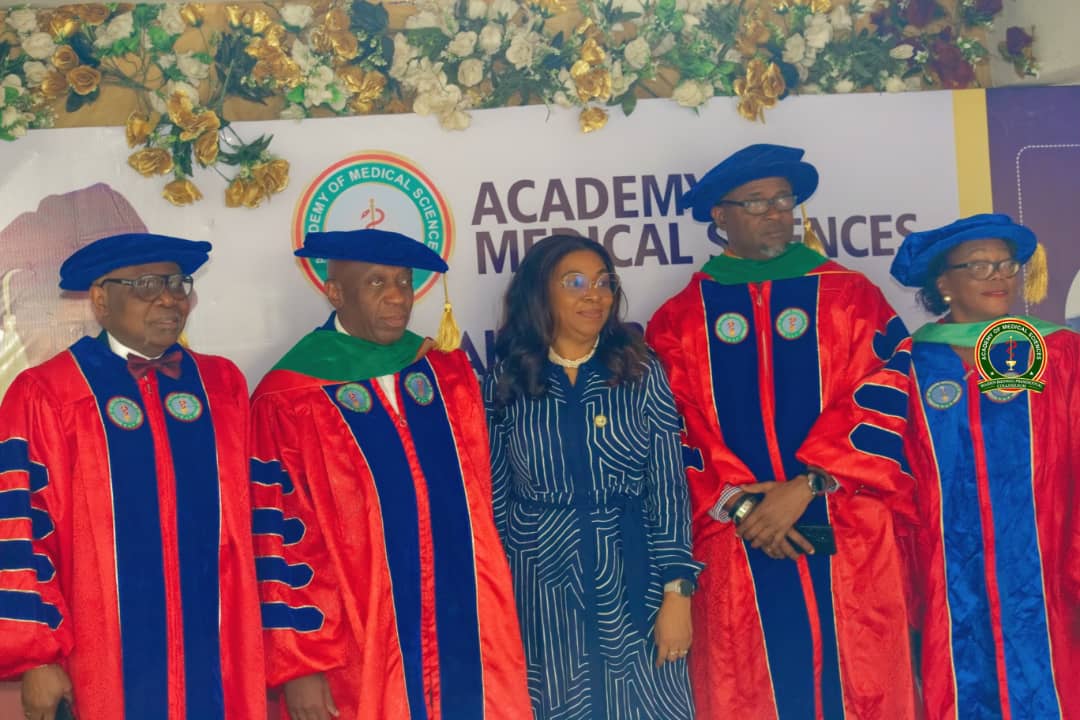
Addressing top leadership and fellows of the Academy of Medical Sciences, as well as other health industry policy experts and stakeholders, among others, the Lagos State Governor said the theme of this inaugural colloquium, “Nigeria’s Health at the Crossroads: Confronting Workforce Shortages, Epidemic Risks, and Maternal Mortality,” is both timely and significant.
He said by bringing evidence, expertise, and policy together in one room, the Academy of Medical Science is creating a platform that can help transform difficult questions into practical solutions, sound recommendations, and lasting reforms.
Governor BABAJIDE SANWO-OLU maintained that the value of an academy lies not only in the knowledge it possesses but also in its ability to translate knowledge into action.
Governor SANWO-OLU encouraged the Academy to use the colloquium not merely as a forum for diagnosing challenges but as a platform for developing practical, evidence-based recommendations that governments can implement.
SANWO-OLU commended the Academy for the colloquium, saying “conversations about Nigeria’s health sector can no longer be confined to what happens within our hospitals”.
He said the “real question before us is this: Can we build a health system with the people, institutions, knowledge, and resilience needed to protect the health of our nation, whatever challenges may lie ahead”?
The Governor said Nigeria was at a crossroads, and “the choice before us is not simply between doing more and doing less. It is between continuing to respond to familiar problems with familiar approaches and having the courage to rethink how we train and retain our health professionals, prepare for emerging threats, and protect mothers and children from preventable deaths”.
He said the health of a nation is ultimately measured by its ability to protect life, preserve human potential, and remain resilient in the face of adversity. “A healthy population is more productive. Children learn better, businesses thrive, and communities are better equipped to withstand shocks”.
On the question of health workforce, Governor SANWO-OLU observed that Nigeria has invested significantly in training healthcare workers — doctors, nurses, pharmacists, laboratory scientists, community health workers, and many others. “Yet, we continue to confront the difficult reality of losing some of our skilled personnel to migration and other pressures”.
SANWO-OLU said beyond the numbers, attention must shift to the larger issue of retaining health professionals who have been trained.
He stressed the need to create an environment within the healthcare system where professionals can build rewarding careers at home through better working conditions, continuous professional development, opportunities for specialization and research.
He said system that offers appropriate remuneration, modern facilities, and professional recognition is not simply about preventing migration, but building a health system that the brightest minds will choose to remain in and help strengthen.
On the issue of emerging epidemic preparedness, the Lagos State Governor said recent global health emergencies have shown that preparedness cannot begin when an outbreak occurs.
He said disease surveillance, modern laboratories, reliable data systems, trained personnel, emergency response capacity, and strong public health institutions must be maintained continuously.
“For a country as populous and interconnected as Nigeria, epidemic preparedness must be regarded as a matter of national resilience and security”, SANWO-OLU noted.
SANWO-OLU also observed that the prevailing issue of maternal mortality reveals the condition of a health system more starkly, stressing that every preventable maternal death is a profound human tragedy and a reminder that the chain of care has failed somewhere.
“From antenatal services and skilled birth attendants to emergency referrals, blood availability, and specialist intervention, we must confront maternal mortality not merely as a statistic but as a national imperative. Every woman deserves a safe pregnancy and childbirth, and every child deserves a healthy start to life”.
He said these priorities resonate strongly with the experience and direction of the Lagos State Government under his leadership, as being explored through the administration’s THEMES Plus Agenda.
The Governor said the administration has continued to strengthen primary healthcare, maternal and child health services, emergency response systems, health insurance, and the capacity of our healthcare workforce.
He stated that “in maternal and newborn care, Lagos State has strengthened emergency obstetric services while undertaking comprehensive assessments to identify gaps in infrastructure, equipment, staffing, referral systems, and healthcare worker competence.
“We have also continued to strengthen emergency medical response. For example, between 2021 and 2025, LASAMBUS recorded a 97.5% response rate to emergency calls, while an additional ten ambulance points were commissioned across the state in 2025 to bring emergency care closer to our communities.
“Across the wider health system, Lagos State now has more than 10,000 skilled healthcare workers and over 2,500 healthcare facilities. We continue to expand access to healthcare through our health insurance framework.
“These are not isolated interventions. They reflect our conviction that a resilient health system must be built from the primary care level upward, supported by strong emergency response mechanisms, effective healthcare financing, and a capable, motivated workforce.
“However, we are under no illusion that government can solve these challenges alone. The scale and complexity of Nigeria’s healthcare needs require stronger partnerships among government, academia, professional bodies, private healthcare providers, and development partners.
“This is where the Academy of Medical Sciences has a particularly important role to play. The value of an academy lies not only in the knowledge it possesses but also in its ability to translate knowledge into action”.
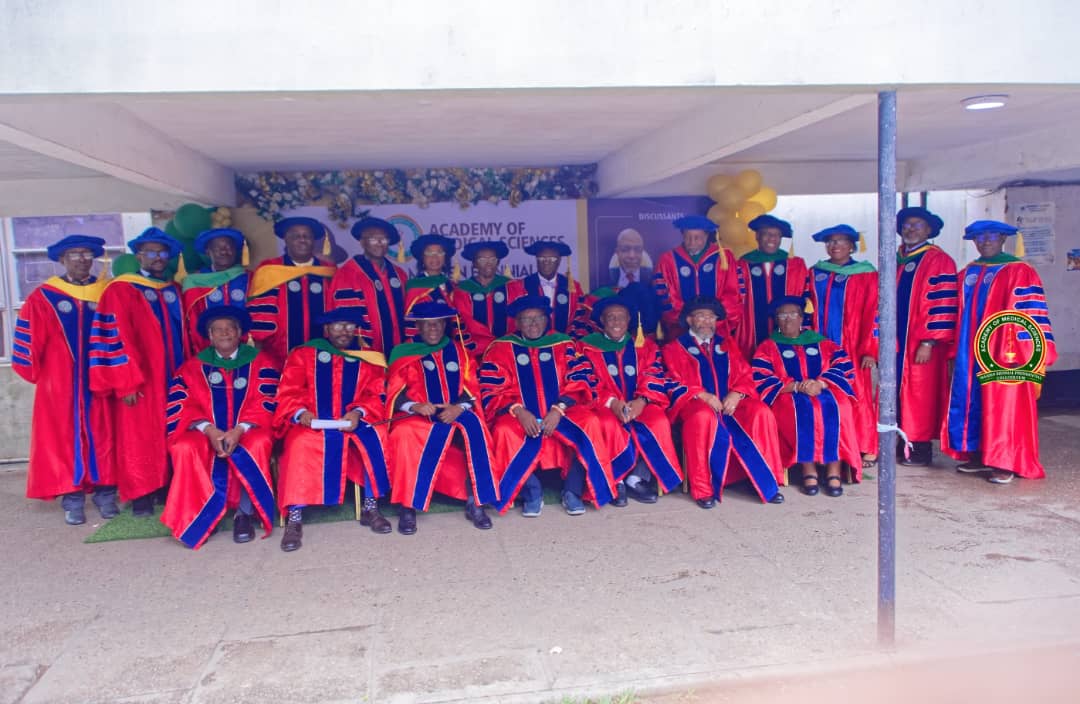
The Lagos State Governor encouraged the Academy of Medical Sciences to use its maiden presidential colloquium not merely as a forum for diagnosing our challenges but as a platform for developing practical, evidence-based recommendations that governments can implement”.
He said “most importantly, we must change the way we think about healthcare—from responding to crises to anticipating them; from treating illnesses to preventing them; from losing healthcare professionals to retaining and empowering them; and from accepting maternal deaths as statistics to treating every preventable death as a failure we must urgently correct.
“This is the choice before us at this crossroads, and it is a choice that requires all of us—government, the medical profession, academia, the private sector, and development partners—to move from diagnosis to action”.